

When a Good Thing No Longer Fits: How to Let Go of Activities You Still Love
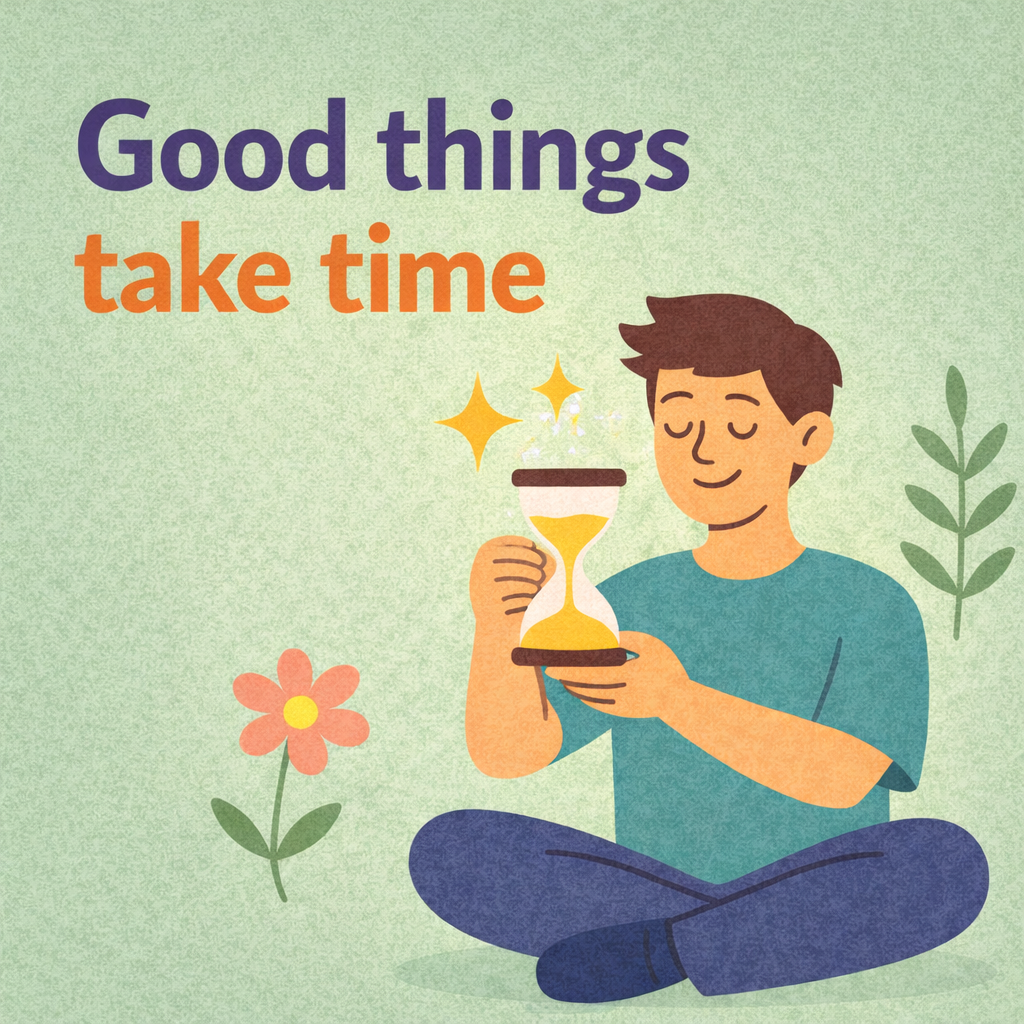
There comes a moment in many young people's lives, and in the lives of the adults who support them, when something wonderful simply stops working. Not because it has lost its value, and not because the love for it has faded, but because life has shifted in a way that makes continuing it unsustainable. Whether it is a competitive dance program, a travel sports team, a school club, or a community ensemble, letting go of a meaningful activity is one of the more emotionally complex decisions a family can face.
This is not the same as quitting something because it is hard. This is not about giving up in the face of adversity. This is about the quiet, difficult reality that not everything we love can stay in our lives forever, and that recognizing when something no longer fits is a form of wisdom, not weakness.
Why Letting Go Feels So Hard, Even When It Makes Sense
The emotional weight of leaving a beloved activity is real, and it deserves to be taken seriously. For many young people, extracurricular activities are deeply tied to identity. A student who has been dancing since age five does not just participate in dance, she is a dancer. A teenage athlete who has played basketball for eight years does not simply play a sport; the team, the training, and the competition are woven into how he understands himself.
When circumstances change, whether due to academic demands, financial strain, health challenges, schedule conflicts, or simply the natural evolution of priorities, the prospect of stepping away can feel like losing a piece of oneself. This is why so many families stay in activities far longer than is healthy, quietly absorbing the stress of overcommitment rather than facing the emotional complexity of letting go.
It is also worth noting that guilt plays a significant role. Children may feel they are letting down coaches, teammates, or instructors. Parents may worry they are depriving their child of opportunities or failing to support a genuine passion. These feelings are understandable, but they should not be the primary drivers of major decisions about a child's time, wellbeing, and development.
Common Scenarios: When a Good Thing Stops Fitting
Dance, Cheer, and Gymnastics
Competitive dance, cheer, and gymnastics are among the most demanding extracurricular commitments a child can make. Rehearsal schedules, travel, uniform and costume costs, and the physical toll on developing bodies can all become overwhelming as students enter middle or high school and face increasingly rigorous academic expectations. A student who once thrived in the studio or gym may find that the time and energy required are no longer compatible with the rest of her life—not because the activity has lost its meaning, but because something else has become equally or more important.
Sports Teams and Athletic Programs
Travel sports and competitive athletic programs often require a level of dedication that serves young athletes beautifully in certain seasons of life but becomes a source of chronic stress in others. A student managing AP coursework, college applications, part-time work, or a family transition may find that the emotional and physical cost of maintaining a high-level sports commitment is affecting his mental health, academic performance, or family relationships.
Importantly, the love of the sport does not have to disappear for the commitment to become unsustainable. A young soccer player can deeply love the game and still recognize that the current team structure, travel demands, or time investment is no longer a healthy fit for his life.
Clubs, Organizations, and Leadership Roles
School clubs and extracurricular organizations carry their own brand of commitment pressure, particularly when a student holds a leadership role. A student body president, a yearbook editor, or a club founder may feel that stepping back would be a betrayal of peers or a failure of responsibility. In reality, modeling healthy boundaries and knowing one's limits are some of the most important leadership skills a young person can develop.
How to Know When It Is Time to Let Go
Recognizing the right moment to step away from a beloved activity requires honest self-reflection and open communication. The following signs may indicate that an activity, however meaningful, is no longer a healthy fit.
Chronic exhaustion and burnout are among the clearest signals. When a young person consistently dreads going to practice, rehearsal, or meetings, not occasionally but persistently, this is the body and mind signaling that something needs to change.
Declining performance in other areas is another important indicator. When the demands of one activity begin to significantly compromise academic performance, sleep quality, family relationships, or mental health, the cost-benefit balance has shifted in a way that warrants serious attention.
Loss of joy without the presence of growth deserves careful consideration. There is a healthy form of struggle in every meaningful pursuit. But when the difficulty of an activity is no longer producing growth, confidence, or satisfaction, and is simply draining without replenishing, it may be time to reassess.
Persistent guilt or obligation as the primary motivator is a sign worth noting. When a young person's primary reason for continuing an activity is fear of disappointing others rather than genuine desire, the relationship with that activity has become unhealthy.
Practical Strategies for Navigating the Transition
Have an Honest Conversation First
Before making any final decisions, create space for a genuine conversation, one without pressure, without predetermined conclusions, and without judgment. Ask the young person what they value most about the activity, what they find most difficult, and what they imagine life would look like without it. Active listening in these moments is more valuable than advice.
Separate Identity from Activity
Help young people understand that who they are is not the same as what they do. A dancer who stops dancing does not stop being creative, disciplined, or passionate. An athlete who steps away from a team does not lose the resilience, teamwork, and dedication they developed. These qualities are transferable and belong to the person, not the program.
Consider a Structured Pause
Rather than framing the decision as permanent, some families find value in a structured break, a defined period of stepping away to assess how life feels without the activity. This removes the all-or-nothing pressure and allows for a more grounded, thoughtful decision over time.
Honor the Grief
Letting go of something you love involves real loss, and that loss deserves acknowledgment. Encourage young people to express what they will miss, to celebrate what the experience gave them, and to grieve the ending without shame. Grief in this context is not weakness. It is evidence of how much something mattered, and processing it fully is essential to a healthy transition.
Plan the Transition Respectfully
When possible, leave well. Finish the season or the semester. Give appropriate notice to coaches, instructors, or club leaders. Express gratitude. This models integrity and allows the young person to exit with dignity rather than regret.
The Role of Parents and Educators
Adults play a crucial role in how young people experience these transitions. Parents who have invested significantly, financially, emotionally, and logistically, in a child's activity may find it genuinely difficult to support the decision to step away. It is important that parents examine their own investment and ensure that their needs are not being conflated with the child's.
Educators and school counselors are well-positioned to support students who are navigating these decisions. Normalizing the conversation around intentional stepping back, and distinguishing it clearly from giving up, is a powerful contribution any adult can make to a young person's development.
What Comes After Letting Go
One of the most meaningful and often overlooked aspects of stepping away from an activity is what becomes possible afterward. Space, when created intentionally, tends to fill with growth. Students who release an overfull schedule often discover renewed energy for academic pursuits, deeper friendships, creative exploration, rest, and self-discovery.
Many young people who step away from one activity eventually find another that fits their current life more authentically. Others discover that the breathing room itself was exactly what they needed. In either case, the capacity to make a deliberate, values-aligned choice about one's own life is a developmental milestone worth celebrating.
Conclusion
Letting go of a good thing is not failure. It is discernment. When a beloved activity no longer fits the realities of a young person's life, holding on at all costs is not loyalty. It is avoidance. The ability to recognize this, to grieve it honestly, and to move forward with intention is a skill that will serve young people for the rest of their lives.
If your family is navigating a difficult transition like this, or if a young person in your life is struggling with questions of identity, burnout, or the emotional weight of overcommitment, Ignition Therapy is here to help. Their compassionate team works with children, adolescents, and families to support healthy decision-making, emotional processing, and the development of self-awareness skills that extend far beyond any single activity. Reaching out to Ignition Therapy is not a sign that something is wrong. It is a sign that growth is happening.